
What's Hiding Behind Your Bathroom Walls? A Guide to Uncovering and Handling Hidden Water Damage
Embarking on a bathroom remodeling project is exciting. You're picturing a spa-like retreat with a new vanity, modern fixtures, and beautiful tile. But for many homeowners, especially in older Cleveland-area homes, there's a nagging worry: what if we find something bad when we open up the walls? The fear of discovering hidden water damage—and the unexpected costs that come with it—can be enough to cause hesitation.
While it's a valid concern, uncovering pre-existing water damage doesn't have to derail your renovation. In fact, it's an opportunity to fix the root of the problem and ensure your new bathroom is built on a solid, healthy foundation. The key is working with a contractor who approaches these situations with transparency and expertise. This guide will walk you through the common signs of hidden water damage, what causes it, and how a proactive approach can keep your project on track.
Telltale Signs of Hidden Moisture Issues
Long before you start demolition, your bathroom might be giving you subtle clues about hidden water problems. Because many of Cleveland's homes have seen decades of use, their aging infrastructure can be prone to slow leaks that cause damage over time. Keep an eye out for these warning signs:
- A Persistent Musty Odor: If you can't seem to air out a damp, mildewy smell, it's often a sign of mold growing in a place you can't see, like behind the drywall or under the floor.
- Peeling or Bubbling Surfaces: Paint or wallpaper that is blistering or peeling away from the wall, especially near the tub, shower, or toilet, is a classic indicator of moisture trying to escape.
- Spongy or Soft Flooring: Do you notice a soft or bouncy spot in the bathroom flooring near the tub or toilet? This could point to a rotted subfloor caused by a slow, consistent leak.
- Loose or Cracked Tiles: Tiles that are loose, or grout lines that are constantly cracking or discolored, can mean the wallboard or subfloor behind them is compromised by water.
- Discoloration and Stains: Yellow or brown stains on ceilings or walls, even if they feel dry to the touch, are ghosts of water leaks past—and the source may still be active.
Common Culprits: Where Does the Water Come From?
Hidden water damage in a bathroom typically originates from a few common sources. Understanding them can help you appreciate why a thorough remodel is so important.
- Plumbing Leaks: The most obvious cause is faulty plumbing and electrical systems. Slow drips from water supply lines, drainpipes behind walls, or leaky shut-off valves can go unnoticed for years, slowly saturating insulation, wood studs, and drywall.
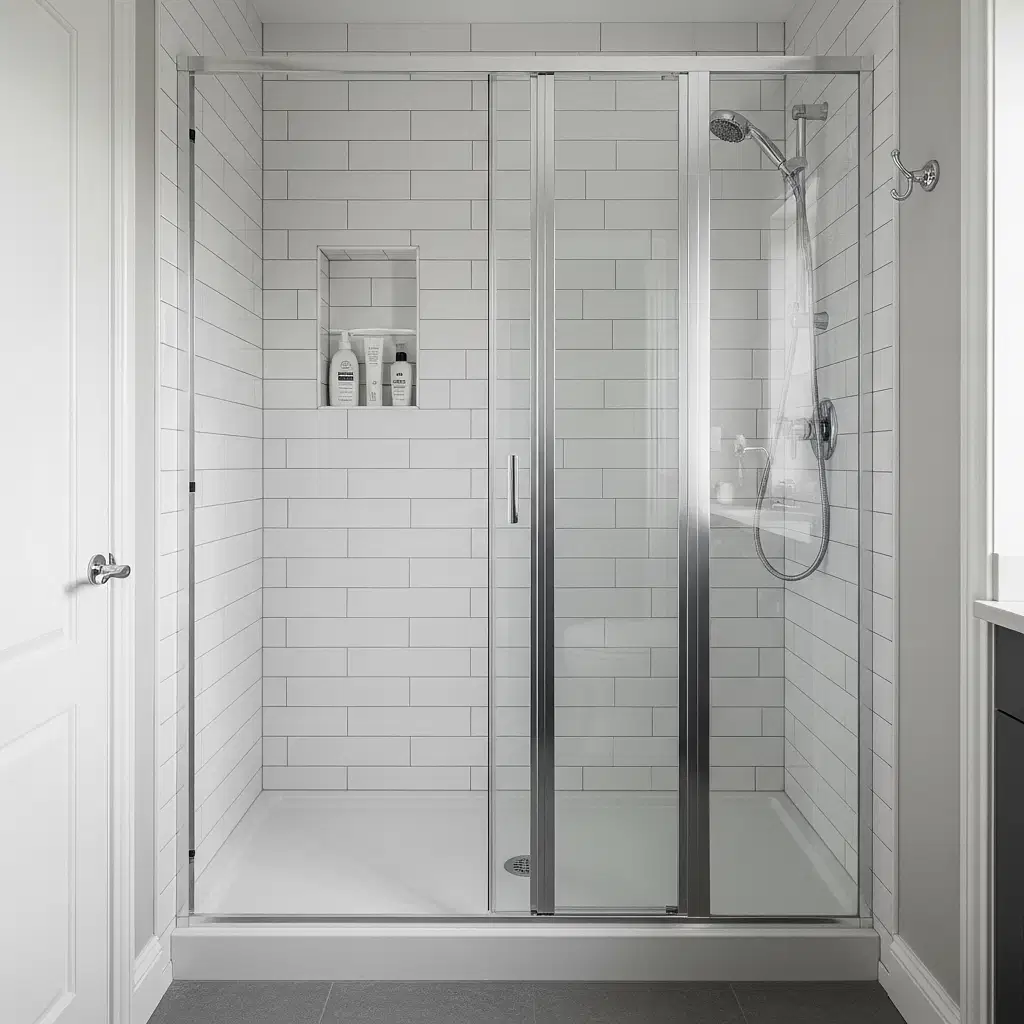
- Failed Waterproofing: Behind your shower tiles, there should be a waterproofing system. In older homes, this may be inadequate or may have failed over time, allowing water to seep through and damage the wall structure.
- Cracked Grout and Failing Caulk: Grout and caulk are your first line of defense, but they don't last forever. As they age and crack, they create tiny pathways for water to get behind tiles every time you shower.
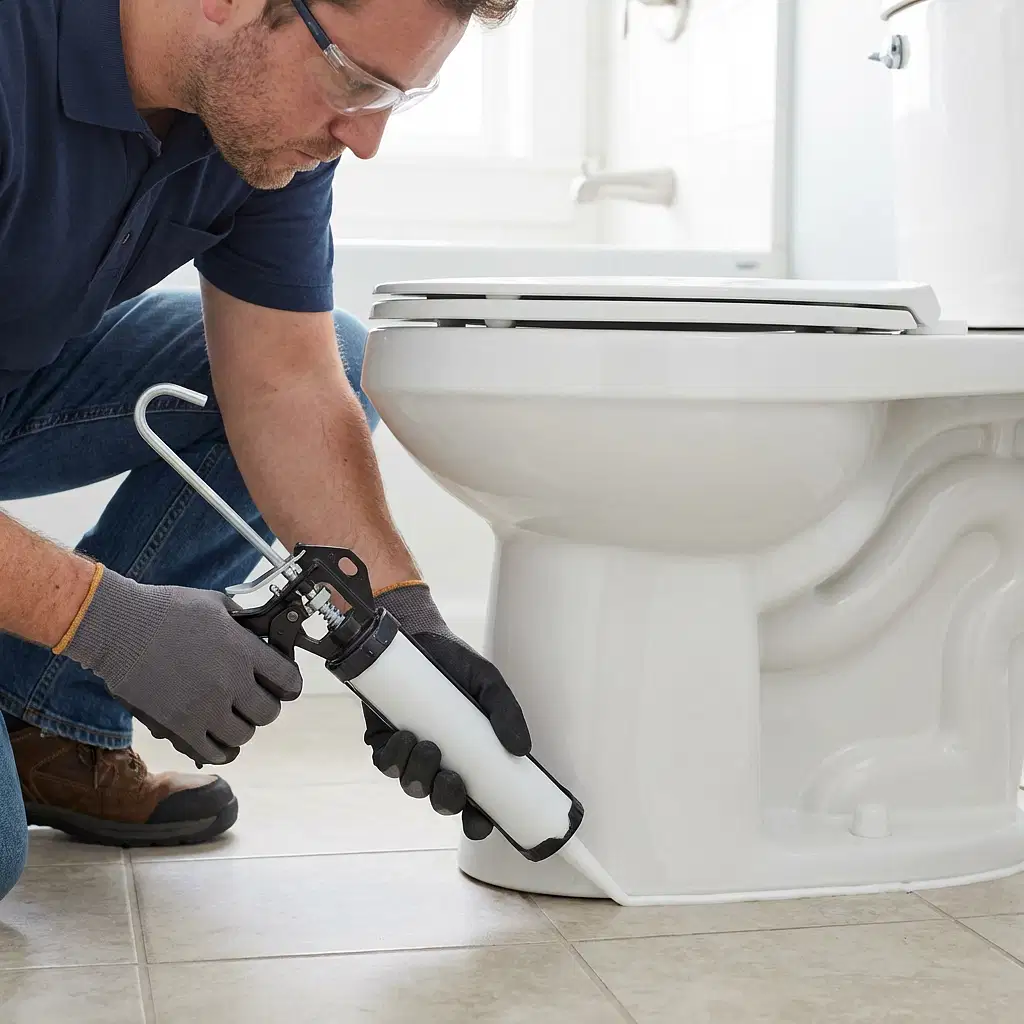
- Leaky Toilet Seals: The wax ring at the base of your toilet creates a watertight seal. If this seal fails, water can leak onto the subfloor with every flush, leading to significant rot over time.
Our Approach: Transparency Over Surprises
We believe the fear of the unknown is the most stressful part of any renovation. That's why we prioritize transparency from the very beginning. We know that unexpected issues can arise, but how they're handled makes all the difference. Our process is designed to give you peace of mind and control over your project.
During our initial consultation and inspection, we look for the warning signs mentioned above. If we suspect there might be underlying issues, we discuss the possibility with you upfront. We can even provide an optional, separate quote that outlines the potential costs for remediation if we find damage. This isn't a sales tactic; it's about preparing for a potential scenario so you're not caught off guard.
If we open a wall and confirm damage, we pause, show you exactly what we've found, and walk you through the documented plan to fix it. There are no high-pressure decisions, just a clear, expert assessment and a straightforward change order. This honest approach ensures that the solution is not just a patch, but a proper repair that protects your long-term investment in your home.
Don't Let Fear Delay Your Dream Bathroom
Hidden water damage is a common challenge in bathroom remodeling, but it's one that can be managed effectively with the right partner. By identifying potential issues early and addressing them with quality materials and craftsmanship, you can turn a potential problem into a lasting solution, ensuring your beautiful new bathroom is built to stand the test of time.
If you're considering a bathroom renovation in the Cleveland area but are worried about what might be lurking behind the walls, let's talk. At Team Bath, we're committed to a transparent and professional process from start to finish. Contact us today to schedule a consultation and learn more about our comprehensive bathroom remodeling services.